IRISH LEAGUE FOOTBALL IS BACK.
A new Boyle Sports Premiership season is upon us, bringing fresh optimism, new signings, familiar rivalries and another nine months of drama. From title favourites and European hopefuls to newly-promoted Limavady United and clubs aiming simply to secure their top-flight status, every team begins the campaign with its own ambitions. Ahead of kick-off, NI Football News takes a closer look at all 12 Premiership clubs, analysing their summer business (so far), key players, biggest strengths, biggest questions and what success would look like in the months ahead.
BALLYMENA UNITED
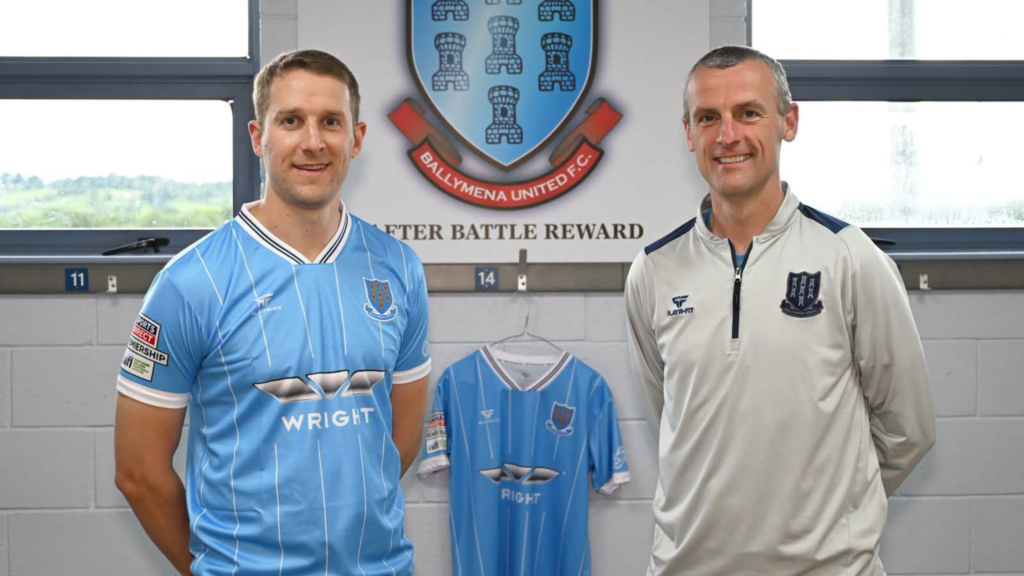
After a disappointing ninth-place finish last season, there is a renewed sense of optimism around The Showgrounds.
Ballymena United have arguably been one of the busiest clubs in the transfer market, making a clear statement of intent ahead of the new Boyle Sports Premiership campaign. Oran Kearney has assembled an experienced squad packed with proven Irish League quality, and expectations have risen significantly as a result.
A top-six finish will almost certainly be viewed as the minimum objective, while many supporters will quietly believe this squad is capable of challenging for the European places if everything clicks.
A summer of ambition
Few clubs have strengthened as extensively as Ballymena.
Chris McKee arrives from Linfield to add firepower in attack, while Micheal Glynn, Scot Whiteside, Joshua Archer, Stephen Fallon, Charlie Allen, David Walsh, Jonny Addis, Owen Mahoney, Caoimhin McConnell and Michael Leetch all add depth and competition throughout the squad.
Several of those players arrive with experience of competing at the top end of the Premiership, giving Ballymena a much stronger spine than the one which struggled for consistency last season.
There has also been change in the opposite direction.
Experienced midfielder Patrick McEleney has announced his retirement, bringing an end to an outstanding career across the League of Ireland, EFL and Irish League, while Daniel Lafferty has joined Limavady United. Kian Corbally has earned a move to Scottish Championship side Dunfermline Athletic, and Daire O’Connor has completed a switch to Carrick Rangers.
Although those departures remove valuable experience, Ballymena appear to have recruited well enough to offset those losses.
Three players to watch
Jonny Addis could prove to be one of the signings of the summer. Injuries have interrupted parts of his career, but when fully fit he remains one of the league’s most accomplished central defenders. If he stays available for the majority of the campaign, he has the potential to transform Ballymena’s defence.
In midfield, Fuad Sule continues to be the heartbeat of the side. His leadership, physicality and ability to break up play make him one of the Premiership’s standout defensive midfielders, while his experience will be vital in helping integrate so many new arrivals.
Up front, much of the spotlight will inevitably fall on Chris McKee. Having made the move from Linfield, Ballymena will hope he can combine with Igor Rutkowski to provide the goals needed to turn narrow defeats and draws into victories.
Biggest strength
Depth.
Oran Kearney has genuine competition for places across much of the pitch. That should not only improve standards in training but also allow Ballymena to cope better with injuries and suspensions over a long campaign.
Biggest question
Can a squad with so many new faces come together quickly enough?
Recruitment on paper is one thing, but building chemistry is another. Ballymena have added quality throughout the squad, and it may take several weeks before those relationships fully develop.
What would success look like?
After finishing ninth last season, expectations have changed dramatically.
A place in the top six should be considered the minimum requirement for a squad of this quality, while a sustained challenge for the European places and a strong run in one of the domestic cup competitions would represent an excellent campaign.
There is genuine excitement around Ballymena United heading into the new season. The recruitment has been eye-catching, the squad appears considerably stronger than twelve months ago, and supporters have every reason to believe the club can climb the table.
The challenge now is turning that promise into performances once the action gets underway.
BANGOR
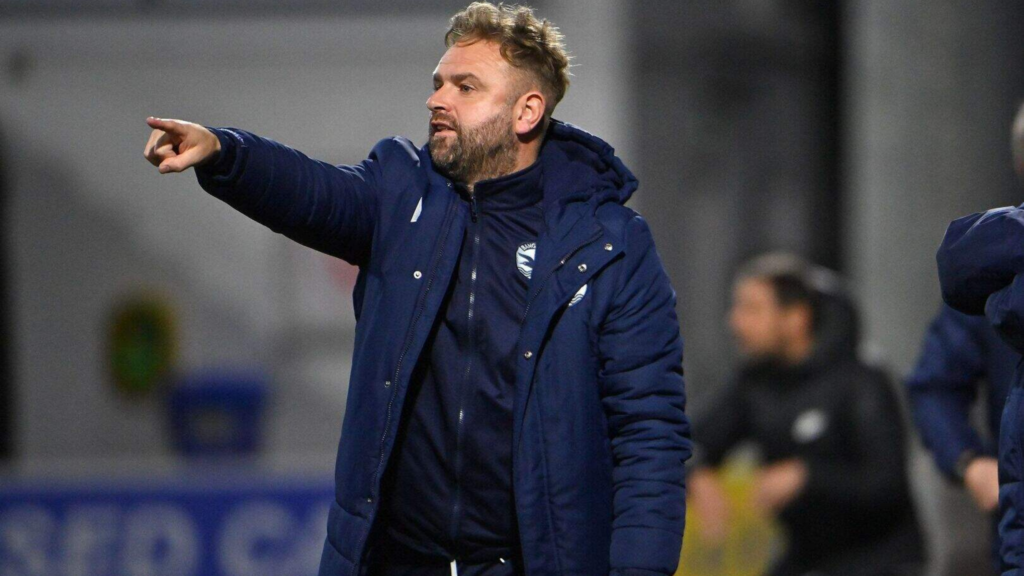
Bangor exceeded many people’s expectations during their first season back in the Premiership, finishing 10th and comfortably preserving their top-flight status.
Having re-established themselves at this level, the challenge now is a different one. Second seasons can often prove more difficult than first campaigns, with opponents better prepared and expectations naturally increasing. Lee Feeney will be hoping his side can avoid that trap and continue building on the foundations laid last year.
While survival remains the priority, Bangor will be determined to prove last season was only the beginning rather than a one-off success.
Building for year two
Bangor’s recruitment has been relatively measured, but there is quality among their new arrivals.
Former Ayr United forward Lucas McRoberts adds youthful energy to the squad, while Steven McCullough brings a wealth of Premiership experience following his move from Portadown. Jeremi Rodríguez also arrives as a free agent, providing another option as Feeney continues to strengthen his squad.
The club have, however, lost some important figures.
Experienced trio Robert Garrett, Kyle Owens and Mark Haughey have all moved on, taking leadership and hundreds of Irish League appearances with them. While none were regular headline-makers, replacing that level of experience is never straightforward and Bangor will need others within the dressing room to step up.
Three players to watch
Much of Bangor’s attacking threat will once again come through Ben Arthurs.
The striker scored 11 goals in all competitions last season and continues to develop into one of the club’s most important players. If Bangor are to improve on last year’s finish, another productive campaign from Arthurs could prove vital.
Another player attracting plenty of attention is Harry Lynch.
Despite reported interest from clubs across the water throughout last season, the highly-rated young defender remains at Clandeboye Park – for now. His composure, maturity and defensive ability belie his age, and another strong campaign could see interest in his services increase once again.
Meanwhile, Steven McCullough could prove to be one of Bangor’s smartest additions.
His experience at Premiership level should bring calmness and leadership to the squad, while his quality on the ball will be invaluable during difficult periods throughout the season.
Biggest strength
Bangor already know what it takes to compete at Premiership level.
The uncertainty that often surrounds newly-promoted clubs has disappeared, and there is now a greater understanding of the standards required week in, week out. That experience should stand them in good stead heading into a second campaign.
Biggest question
Can Bangor rediscover the consistency they showed during the first half of last season?
Their campaign was built on an outstanding opening few months, with 28 of their eventual 39 points arriving before the turn of the year. Their form dipped significantly after Christmas, and if that trend continues into the new season, they could find themselves looking over their shoulder far more often.
Finding a way to sustain performances across the entire campaign may be the difference between another comfortable season and a battle near the foot of the table.
What would success look like?
Avoiding “second-season syndrome” will be Bangor’s biggest objective.
Another season of Premiership football would represent continued progress, but there is every reason to believe this squad is capable of aiming slightly higher than simply survival. If they can reproduce the football they played during the first half of last season over a much longer period, they have the ability to establish themselves comfortably in mid-table.
Consistency is likely to define Bangor’s campaign. The quality within the squad is evident, but maintaining standards from August through to April will ultimately determine whether they continue moving forward or find themselves dragged into another relegation battle.
CARRICK RANGERS
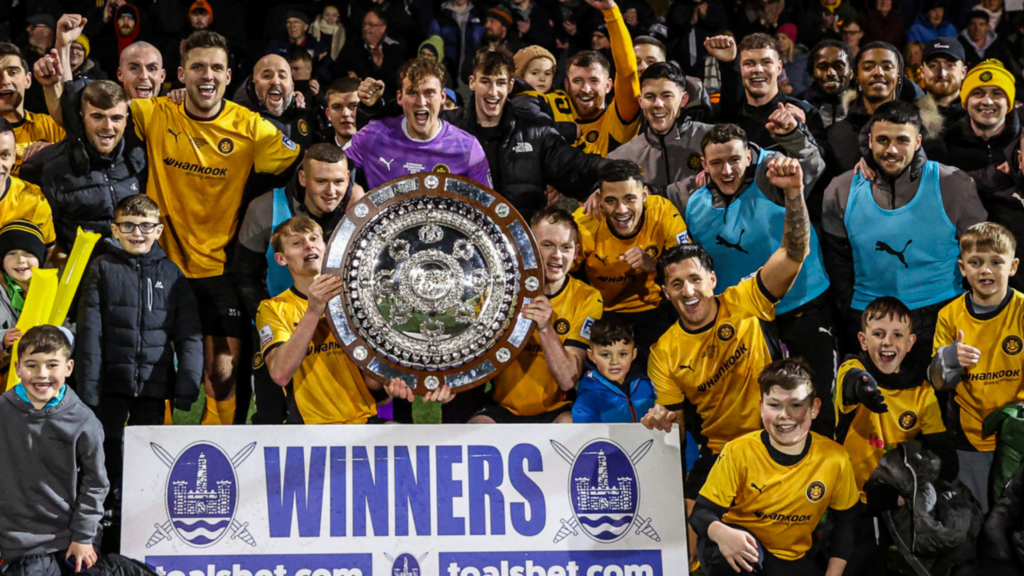
Carrick Rangers enter the new Boyle Sports Premiership season with expectations higher than ever before.
Last season will live long in the memory at Taylor’s Avenue. A seventh-place finish represented the club’s highest-ever Premiership position, while victory in the County Antrim Shield delivered the first major honour in the club’s history. It was a campaign that demonstrated just how far Carrick have come under Stephen Baxter.
The challenge now is proving it was not a one-off.
Unlike many of their rivals, Carrick have resisted the temptation to overhaul their squad. Instead, Baxter has largely kept faith with the group that enjoyed such a memorable campaign, adding quality where needed while maintaining the chemistry that served them so well last season.
Stability over revolution
Continuity has been the theme of Carrick’s summer.
There have been no major departures from the core of last season’s squad, allowing Baxter to build on an already successful foundation. That stability could prove invaluable during the opening weeks of the campaign, with players already familiar with one another and the manager’s expectations.
The additions that have been made are eye-catching.
Experienced defender Jordan Forsythe arrives from Crusaders, bringing leadership, composure and years of Premiership experience to an already organised back line. Meanwhile, Daire O’Connor has joined from Ballymena United and could prove to be one of the signings of the summer if he rediscovers his best form.
Perhaps the most significant piece of business, however, wasn’t a new signing at all.
Keeping Paul Heatley at the club for another season is a major boost. Even at 39 years of age, his quality in possession, creativity and ability to produce moments of magic remain among the very best in the league.
Three players to watch
Everything good about Carrick last season seemed to involve Danny Gibson.
The striker enjoyed a remarkable campaign, finishing as the club’s leading scorer with 20 goals while also providing 14 assists. Those numbers underline just how influential he has become, and if he can produce anything close to those figures again, Carrick will once more be difficult opponents for anyone.
At the other end of the pitch, captain Luke McCullough continues to set the standard.
The defender played every single minute of Carrick’s Premiership campaign last season, highlighting both his consistency and importance to the side. His leadership and reliability make him one of the first names on the teamsheet every week.
Then there is Paul Heatley.
Time may have caught up with many players approaching 40, but Heatley continues to prove age is just a number. His intelligence, technical ability and creativity remain exceptional, and his experience could once again make the difference in tight matches.
Biggest strength
Experience.
Few squads in the Premiership can match the level of experience Carrick Rangers possess. From Luke McCullough and Paul Heatley to Jimmy Callacher and Jordan Forsythe, Stephen Baxter has assembled a group of players who have experienced almost everything the Irish League can throw at them.
That know-how proved invaluable during last season’s historic campaign, helping Carrick remain composed in pressure situations and consistently pick up results when they mattered most.
While questions may be asked about the average age of the squad, there is no substitute for experience. Over the course of a long season, having players who understand how to manage games, respond to setbacks and handle big occasions could once again prove one of Carrick’s greatest assets.
Biggest question
Can an ageing squad produce another remarkable campaign?
There is no doubting the quality within Carrick’s dressing room, but several of their key players are now into the latter stages of their careers. Managing fitness across a long season will be crucial, particularly if injuries begin to mount.
If there is one manager capable of getting the very best from an experienced group, however, it is Stephen Baxter. His track record speaks for itself, and few coaches in Irish League football understand how to build competitive teams quite like he does.
What would success look like?
After last season’s achievements, expectations have naturally increased.
Breaking into the top six is a realistic ambition for this Carrick side, and anything close to another seventh-place finish would again represent an outstanding achievement given the resources available to the club.
Carrick Rangers are no longer viewed as a club simply hoping to survive. Under Stephen Baxter, they have become genuine competitors capable of troubling any team in the division. The question now is whether this experienced squad has one more outstanding season left in it.
CLIFTONVILLE
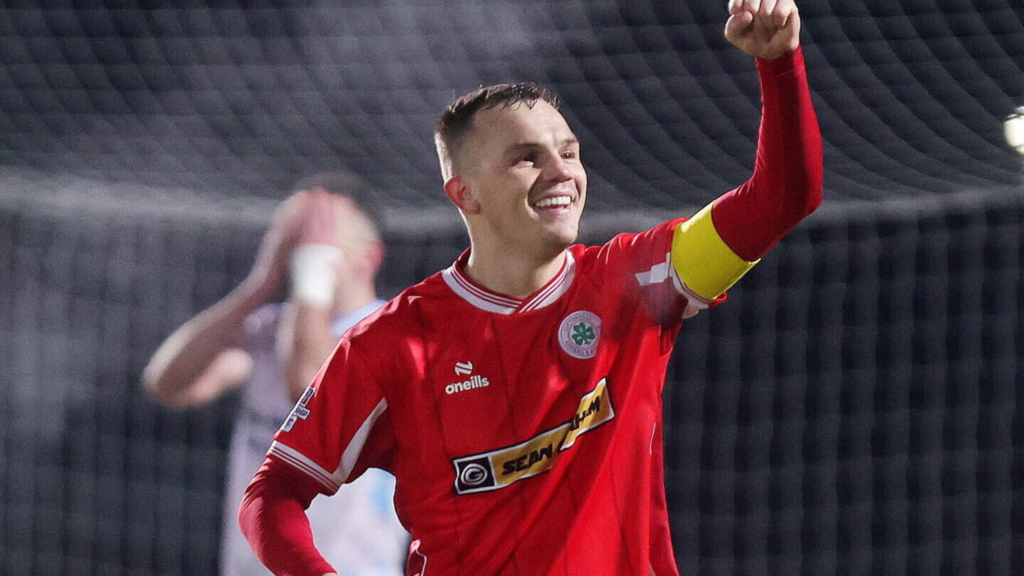
Cliftonville approach the new Boyle Sports Premiership season at something of a crossroads.
A fifth-place finish last season represented an average campaign by the Reds’ standards. They never seriously threatened the league’s top four and, despite reaching the Irish Cup semi-finals, County Antrim Shield final and BetMcLean Cup quarter-finals, each cup run ended in disappointment. It was a season of “nearly” rather than genuine success.
There is also plenty happening off the pitch. With a vote on a proposed takeover by the Toronto Investment Group approaching, there is cautious optimism that significant investment could help shape the club’s future. For now, though, the focus remains firmly on football.
Like many of the league’s part-time clubs, Cliftonville are finding it increasingly difficult to bridge the gap to their full-time rivals. With Larne, Coleraine and Glentoran all investing heavily, while Linfield continue to boast one of the division’s strongest squads, breaking into that group has become a tougher task than ever.
That doesn’t mean Cliftonville cannot enjoy another successful season.
The Reds still possess a squad capable of beating anyone on their day, and they’ll once again aim to establish themselves as the “best of the rest” by securing a top-six finish while targeting another deep run in the cup competitions.
A summer of change
Jim Magilton has refreshed his squad with a mixture of youth and experience.
Dan O’Connor has arrived as a free agent, while Kyle McClelland, Ben Quinn, Aaron Wightman, Joel Thompson, Dean McMaster, Alex Bannon and Middlesbrough loanee Ollie Samuels all strengthen the squad ahead of the new campaign.
Replacing some key departures, however, will not be easy.
The loss of Jonny Addis is undoubtedly the biggest blow. After five years at Solitude, the centre-back leaves having been one of the club’s most consistent and dependable performers. Michael Glynn has also departed, while Josh Kelly returned to parent club Glentoran following an impressive loan spell during the second half of last season.
Even so, there remains plenty of quality within the squad, particularly when combined with the club’s excellent record of developing young talent.
Three players to watch
Few players were as influential for Cliftonville last season as Harry Wilson.
Named the club’s Player of the Year, Wilson’s importance became even clearer whenever he was absent through injury. His energy, composure and ability to dictate play make him the heartbeat of the Reds’ midfield, and keeping him fit will be essential.
In defence, Luke Conlan has an even bigger role to play following Jonny Addis’ departure.
When fully fit, the experienced defender brings leadership, composure and versatility to the back line. His influence could prove vital as Cliftonville look to remain defensively solid against some of the league’s strongest attacks.
Another fascinating player to watch is Rhyss Campbell.
Returning from injury, Campbell could feel like a new signing. If he can rediscover his best form and make an impact in the final third, he could provide Cliftonville with another valuable attacking outlet.
Biggest strength
The academy.
Few clubs in Northern Ireland produce young talent as consistently as Cliftonville. Time and again, academy graduates have stepped into the first team and made an immediate impact, and Jim Magilton has never been afraid to trust young players.
With the financial gap to the full-time clubs continuing to grow, producing homegrown talent will remain one of Cliftonville’s biggest advantages.
Biggest question
Can Cliftonville keep pace with the league’s full-time clubs?
The quality within the squad is unquestionable, but the challenge of competing with better-resourced, full-time opposition grows every season. Bridging that gap over the course of a 38-game campaign is becoming increasingly difficult, making consistency even more important.
If the Reds can maximise the quality they already possess while another academy player emerges, they will once again be well placed to compete near the top end of the table.
What would success look like?
A top-six finish and another memorable cup run.
Realistically, Cliftonville will be aiming to establish themselves as the strongest part-time side in the division while continuing to challenge for domestic silverware. Cup competitions have often provided some of the club’s greatest moments, and another run to the latter stages will be firmly on the agenda.
While closing the gap to the league’s biggest spenders remains a difficult task, Cliftonville have repeatedly shown they can compete through smart recruitment, excellent youth development and strong team spirit. If those qualities shine through once again, the Reds should remain firmly in the mix at the top end of the table.
COLERAINE
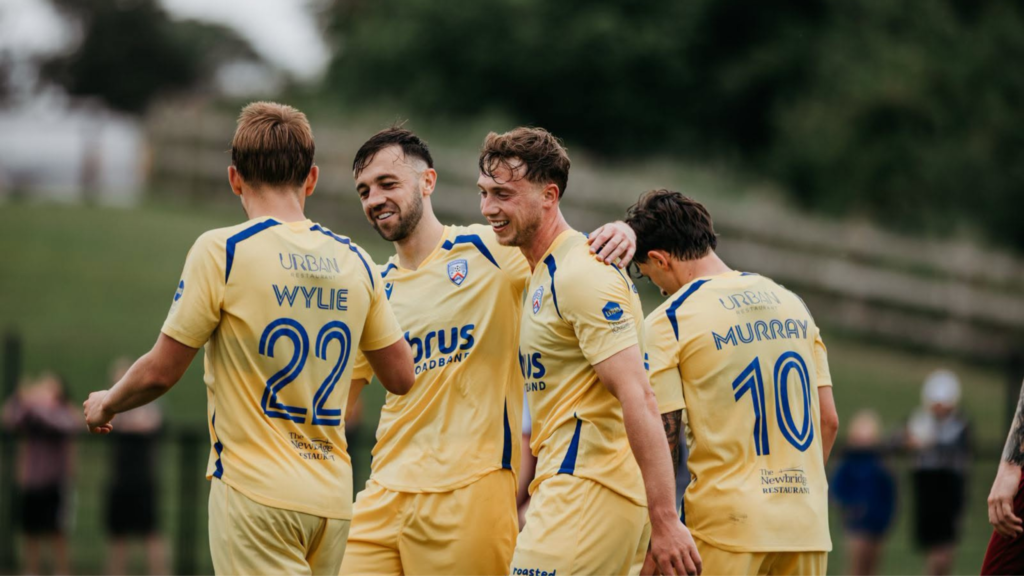
Few clubs enter the new Boyle Sports Premiership season with greater expectation than Coleraine.
After finishing second last season and lifting the Irish Cup, the Bannsiders have firmly established themselves as one of the league’s leading sides. Rather than standing still, they have strengthened again over the summer, sending a clear message that they intend to go one step further this time around.
With owner Henry Ross continuing to back the club significantly, there is no hiding from the expectation. Given the investment that has gone into the squad, the objective is simple: win the league.
Despite suffering a disappointing exit to HJK Helsinki in the second qualifying round of the UEFA Conference League, there is little reason for pessimism. On paper, Coleraine possess one of the strongest squads assembled in the Irish League for many years.
A squad built to challenge
Coleraine have once again been among the busiest clubs in the transfer market.
Jay Henderson has arrived from Ross County, while Ben Doherty returns to the Irish League following his spell at Derry City. Conor McMenamin adds further attacking quality after joining from St Mirren, Aidan Wilson strengthens the defence following his move from Airdrieonians, and young Watford defender Conrad Hunt arrives on loan.
Each signing adds quality to an already impressive squad, while also increasing competition for places throughout the team.
There have, however, been some notable departures.
Experienced defender Mark Connolly has retired after a short spell at The Showgrounds, Zane Okoro has returned to England following a successful loan spell, and Jamie Glackin’s seven-year association with the club has come to an end after his move back to Dungannon Swifts.
Perhaps the biggest concern isn’t a departure at all.
Captain Mark Coyle’s ACL injury is a significant setback. His leadership, experience and influence in midfield would have been central to Coleraine’s season, and replacing those qualities will be one of Ruadhrí Higgins’ biggest challenges during the opening months of the campaign.
Three players to watch
Levi Ives continues to be one of the Premiership’s most consistent performers.
Whether deployed at centre-back or full-back, his versatility and reliability make him an invaluable member of the squad. Week after week, Ives delivers high-level performances, and that consistency will once again be vital if Coleraine are to sustain a title challenge.
Creativity, meanwhile, is unlikely to be an issue with Will Patching in the side.
The midfielder possesses a level of vision and technical ability rarely seen in the Irish League. His passing range and ability to unlock stubborn defences make him one of the division’s standout playmakers, and Coleraine will once again look to him to dictate matches in the final third.
Then there is Joel Cooper.
Few players are as exciting to watch. Blessed with pace, directness and exceptional one-on-one ability, Cooper remains a nightmare for defenders. Alongside Matthew Shevlin and new signing Conor McMenamin, he could form part of one of the most dangerous attacking units in the country.
Biggest strength
Quality across the pitch.
Few squads in the Premiership can match Coleraine for depth or proven ability. There are experienced internationals, proven Irish League performers and exciting young talent throughout the squad, giving Ruadhrí Higgins genuine competition for places in almost every position.
That depth could prove decisive over the course of a long campaign.
Biggest question
Can Coleraine cope without Mark Coyle?
The captain’s ACL injury is a huge blow, not only because of his ability but because of his leadership.
The squad undoubtedly has enough quality to compete without him, but replacing his influence both on and off the pitch will not be easy.
What would success look like?
For many clubs, another top-two finish and a cup run would represent an outstanding season.
For Coleraine, the expectations are even higher.
Given the investment made by the club, the calibre of players recruited and the strength of the current squad, winning the Boyle Sports Premiership has to be the target. They have assembled a team capable of competing with anyone in the division, and anything less than a sustained title challenge would feel like a missed opportunity.
There is every reason for optimism at The Showgrounds. The European campaign may have ended in disappointment, but domestically Coleraine look exceptionally well equipped for the challenges ahead. If this talented squad performs to its potential, the Bannsiders will be the favourites to lift the Gibson Cup next spring.
CRUSADERS
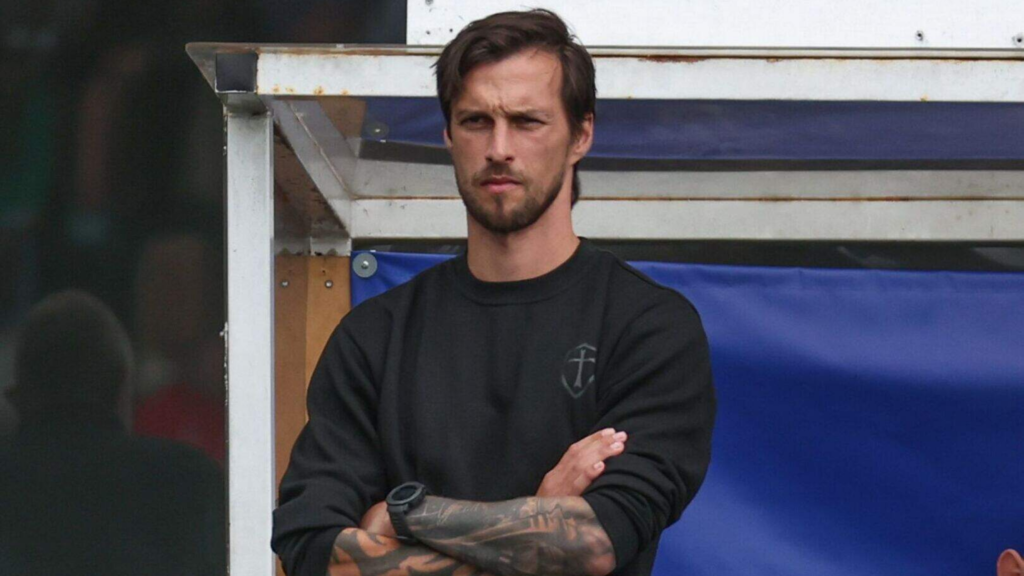
Few clubs will be happier to see the page turn on last season than Crusaders.
An 11th-place finish was a campaign few could have imagined at Seaview, with the Crues coming within a penalty shootout of suffering relegation from the Premiership. Only victory over Annagh United in the promotion/relegation play-off preserved their top-flight status, bringing an end to one of the most difficult seasons in the club’s recent history.
Now, the focus is on making sure it never happens again.
For Declan Caddell, this season represents an opportunity to move the club away from the disappointment of last year. The lessons learned from that campaign should serve as a reminder that nothing can be taken for granted in an increasingly competitive Premiership.
A summer of rebuilding
Crusaders have strengthened in several areas over the summer.
Experienced defender Graham Kelly has joined from Coleraine, while striker Aaron Reid arrives from Airdrieonians with the responsibility of leading the line. Thomas Maguire has made the switch from Dungannon Swifts, Ryan McKay arrives from Linfield, Owen Wardell joins from the BE1 National Football Academy and Shea Callister has been brought in on loan from Derry City.
There is undoubtedly quality among those additions, but replacing the players who have left may prove a much greater challenge.
The retirements and departures of Jonny Tuffey and Jordan Forsythe remove years of experience and leadership from an already youthful dressing room. Goalkeeper Musa Dibaga’s move to Dunfermline Athletic is another significant loss after an mpressive season at Seaview.
Then there is Fraser Bryden.
The Scottish forward completed a move to Chesterfield for a reported £120,000 following a remarkable campaign in which he scored 24 goals in all competitions. It was a transfer that made financial sense for the club and represented an opportunity Bryden had earned through his performances.
Replacing those goals, however, is another matter entirely.
Bryden was central to almost everything Crusaders did well last season and, at times, carried the team through difficult periods almost single-handedly. Finding another player capable of producing those numbers will be one of the biggest challenges facing Declan Caddell this year.
Three players to watch
With such a young squad, the influence of Robbie Weir becomes even more significant.
Currently the only player over the age of 30 in the Crusaders squad, his experience will be invaluable both on and off the pitch. As one of the senior figures remaining at Seaview, Weir’s leadership could prove just as important as his performances.
Another player expected to play a key role is Finley Thorndike.
Creative, technically gifted and capable of making things happen in the final third, Thorndike is one of the brightest talents in the squad. With Bryden no longer available, even greater responsibility may now fall on his shoulders to create chances and provide attacking inspiration.
The biggest spotlight, however, will shine on Aaron Reid.
The striker arrives from Airdrieonians with plenty of expectation surrounding him. Crusaders will hope he can follow the path of recent Scottish forwards such as Kieran Offord and Fraser Bryden by making an immediate impact in the Irish League. While comparisons are inevitable, Reid will simply need to focus on bringing his own qualities and, above all, scoring goals.
Biggest strength
Youth and potential.
Although losing experienced players is never ideal, Crusaders possess one of the youngest squads in the Premiership. If that group develops together under Declan Caddell, the club could be building the foundations for long-term success rather than simply focusing on short-term results.
Biggest question
Where will the goals come from?
Replacing 24 goals is no easy task, particularly when they came from a player who so often decided matches on his own. Crusaders are unlikely to find a like-for-like replacement, meaning the burden will almost certainly have to be shared across the squad.
If Aaron Reid settles quickly and several others contribute more regularly in front of goal, the loss of Bryden may become easier to absorb. If not, last season’s struggles could quickly resurface.
What would success look like?
After flirting with relegation, Crusaders’ immediate objective has to be restoring stability.
The quality within the squad suggests they should be capable of finishing comfortably clear of the bottom two, while a push towards the top six would represent an excellent response to last season’s disappointment. More importantly, supporters will want to see clear signs of progress under Declan Caddell and evidence that the club is moving in the right direction again.
The memories of last season will not disappear overnight, but they should serve as motivation rather than a burden. Crusaders remain one of the biggest clubs in the Irish League, and after a summer of significant change, they will be determined to ensure that the fight for survival becomes a thing of the past rather than the beginning of a worrying trend.
DUNGANNON SWIFTS
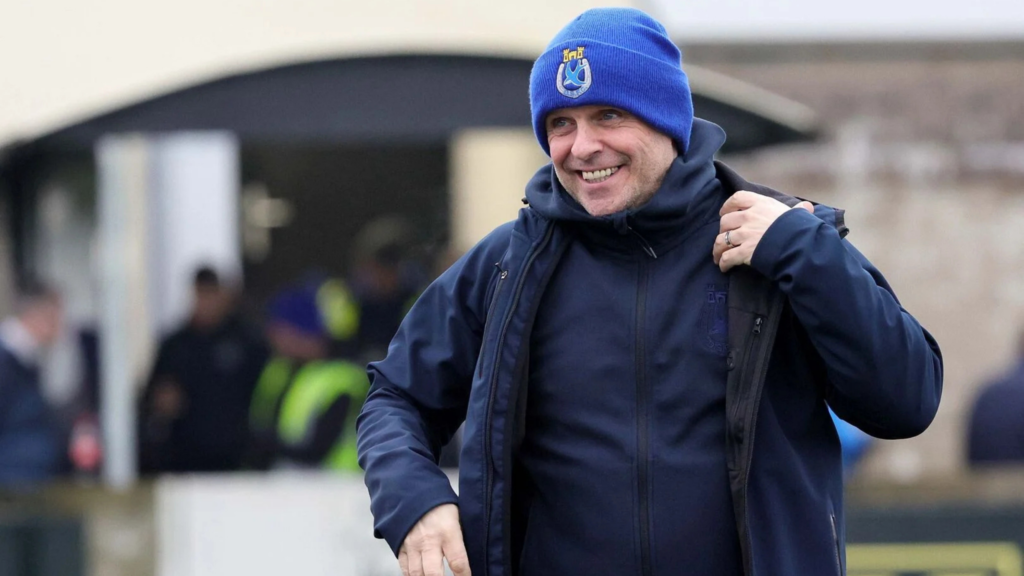
Dungannon Swifts head into the new Boyle Sports Premiership season with expectations very different to those of a few years ago.
Rodney McAree has transformed the Swifts into one of the league’s most consistent sides, with last season’s sixth-place finish further underlining their progress. While replicating the unforgettable 2025 Irish Cup triumph was always going to be difficult, Dungannon still enjoyed another impressive campaign, reaching the Irish Cup final before losing to Coleraine and narrowly missing out on European football after defeat to Linfield in the European Play-Off Final.
Those disappointments should not overshadow what has become the norm at Stangmore Park.
Dungannon are no longer viewed as underdogs simply hoping to survive. They have established themselves as a genuine top-six side capable of troubling any opponent, and maintaining those standards will be the objective once again this season.
Building on strong foundations
Unlike several of their rivals, Dungannon have not needed to completely rebuild.
Instead, Rodney McAree has added quality and experience to a squad that already knows what it takes to compete at the top end of the Premiership. Jamie Glackin returns to the club following several years with Crusaders and Coleraine, while Michael McElhatton joins from Dergview. Barney McKeown and Kris Lowe also arrive from Glenavon, strengthening the squad ahead of another demanding campaign.
The only major departure comes in midfield, where experienced campaigner James Knowles has called time on his playing career.
His retirement brings an end to a distinguished spell at Stangmore Park, with his leadership and experience leaving a noticeable gap both on and off the pitch. However, Dungannon have shown in recent years that they are well equipped to refresh the squad without disrupting the culture that has been built under McAree.
Three players to watch
Between the posts, Declan Dunne has quietly become one of the Premiership’s most dependable goalkeepers.
His consistency has been a key factor behind Dungannon’s rise in recent seasons, regularly producing important saves that keep his side in matches. Rarely spectacular but almost always reliable, Dunne provides the solid platform every successful team requires.
One of the summer’s most eye-catching stories is the return of Jamie Glackin.
After seven years at Coleraine, the midfielder is back at Stangmore Park, bringing creativity, experience and proven quality. His technical ability and eye for a pass should add another dimension to Dungannon’s attack, and supporters will be eager to see him back in a Swifts shirt.
At the heart of midfield, Gaël Bigirimana remains one of the club’s most influential players.
The captain’s composure in possession, leadership and ability to dictate the tempo of matches continue to make him one of the finest midfielders in the division. His influence extends well beyond his own performances, helping drive the standards that have become synonymous with this Dungannon side.
Biggest strength
Consistency.
Few clubs have been as well organised or as difficult to play against over the past few seasons as Dungannon. They rarely beat themselves, remain competitive in almost every fixture and have developed a reputation for taking points off the division’s biggest clubs.
Just as importantly, the club’s commitment to developing young players continues to pay dividends. Dungannon’s academy has become one of their greatest strengths, and every season seems to produce another promising talent ready to make the step into senior football.
Biggest question
Can they maintain their place among the Premiership’s top six?
The league continues to become more competitive, with several clubs investing heavily over the summer. Dungannon may not have the financial resources of some of their rivals, but they have repeatedly shown that organisation, teamwork and smart recruitment can bridge that gap.
Holding off the chasing pack will not be easy, but neither will facing Rodney McAree’s side.
What would success look like?
Another top-six finish would represent another outstanding season for Dungannon Swifts.
European qualification will undoubtedly remain an ambition, while another deep run in one of the domestic cup competitions would come as no surprise given the club’s recent record. More than anything, the Swifts will want to continue proving that their recent success is no coincidence.
Well coached, well organised and consistently competitive, Rodney McAree’s side have earned their place among the Premiership’s strongest teams. If they can combine that consistency with another breakthrough from the club’s production line of young talent, there is every reason to believe another successful campaign lies ahead.
GLENTORAN
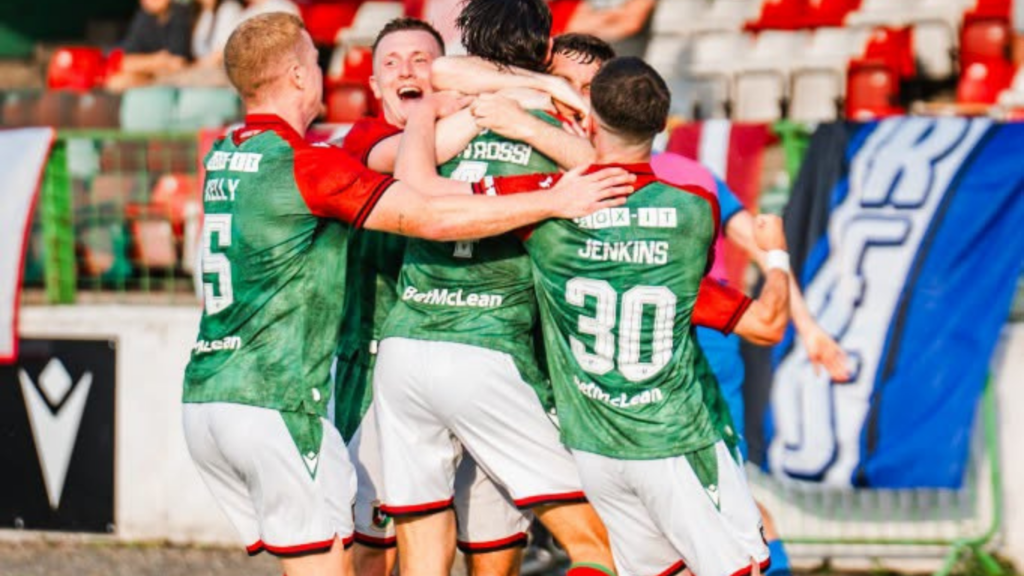
Glentoran enter the new Boyle Sports Premiership season with unfinished business.
For large spells of last season, the Glens looked like genuine title contenders. They remained firmly in the race throughout much of the campaign, only for their challenge to fade during the closing weeks. Defeat to Linfield in the BetMcLean Cup Final, followed by an Irish Cup quarter-final exit, meant a season that had promised so much ultimately ended in disappointment.
Their European adventure also proved a difficult one. Drawn against Latvian champions RFS in the first qualifying round of the UEFA Conference League, Declan Devine’s side faced an enormous challenge and exited the competition over two legs.
Despite those setbacks, there is no doubt Glentoran remain one of the strongest teams in the division. With the investment made both on and off the pitch in recent years, simply competing will no longer be enough. Winning trophies and securing European football has to be the expectation.
Evolution rather than revolution
Compared to some of their Premiership rivals, Glentoran have enjoyed a relatively quiet summer in the transfer market.
Greg Sloggett arrives from Boston United to strengthen the midfield, while former Bournemouth academy defender Zeno Ibsen Rossi has joined from Cambridge United. Young winger Rhys Walsh has rejoined the club from Sunderland, adding further depth to the squad.
Although recruitment has been measured, replacing some important departures will be a significant task.
Defender MJ Kamson-Kamara has departed following his loan spell, joining Scottish Premiership side Hearts, leaving a sizable gap in the back line. Early signs suggest Zeno Ibsen Rossi is well equipped to help fill that void, having produced encouraging performances during the club’s European ties.
Danny Amos also departs after two solid seasons at The Oval, but perhaps the biggest loss is Cameron Palmer. Last season’s Player of the Year has earned a move to Livingston, leaving Glentoran without one of their most consistent performers from the previous campaign.
Three players to watch
Few full-backs in the Irish League influence matches quite like Ryan Cooney.
Registering an incredible 17 assists from right-back last season, Cooney’s attacking output is exceptional, while his defensive consistency makes him one of the best players in his position. His ability to create chances from wide areas will once again be a major weapon for the Glens.
In midfield, Joe Thomson becomes even more important following Cameron Palmer’s departure.
The former Larne midfielder brings composure, leadership and title-winning experience to the heart of the side. His ability to control the tempo of games and link defence with attack will be crucial if Glentoran are to compete at the top end of the table throughout the campaign.
Leading the line is Pat Hoban, whose quality continues to defy his age.
The veteran striker scored an outstanding 31 goals last season, underlining why he remains one of the most feared forwards in the division. At 35 years old, his professionalism, movement and finishing ability remain of the highest standard, and Glentoran will once again rely heavily on his goals.
Biggest strength
Quality throughout the squad.
Glentoran possess match-winners across the pitch and have genuine competition for places in most positions. While they still require some additions, few clubs can boast the same level of depth, giving Declan Devine plenty of options as he balances league and cup commitments throughout the season.
Biggest question
Can Glentoran sustain a title challenge from start to finish?
Last season demonstrated they have the quality to compete with the very best, but maintaining that level over an entire campaign proved difficult. Their challenge faded during the closing weeks, and turning promising periods into sustained consistency may be the final step required to transform them from challengers into champions.
With several rivals strengthening significantly over the summer, there will be little margin for error.
What would success look like?
For a club of Glentoran’s stature, expectations are always high.
Competing for the league title, lifting silverware and qualifying for Europe should all be realistic objectives for this squad. Given the resources available and the quality already within the dressing room, another season without a major trophy would inevitably be viewed as a disappointment.
The foundations remain firmly in place for Glentoran to enjoy a successful campaign. While the transfer window has been quieter than many expected, the squad still possesses enough quality to challenge on every front. The question is whether this talented group can finally deliver the consistency needed to turn potential into silverware.
LARNE
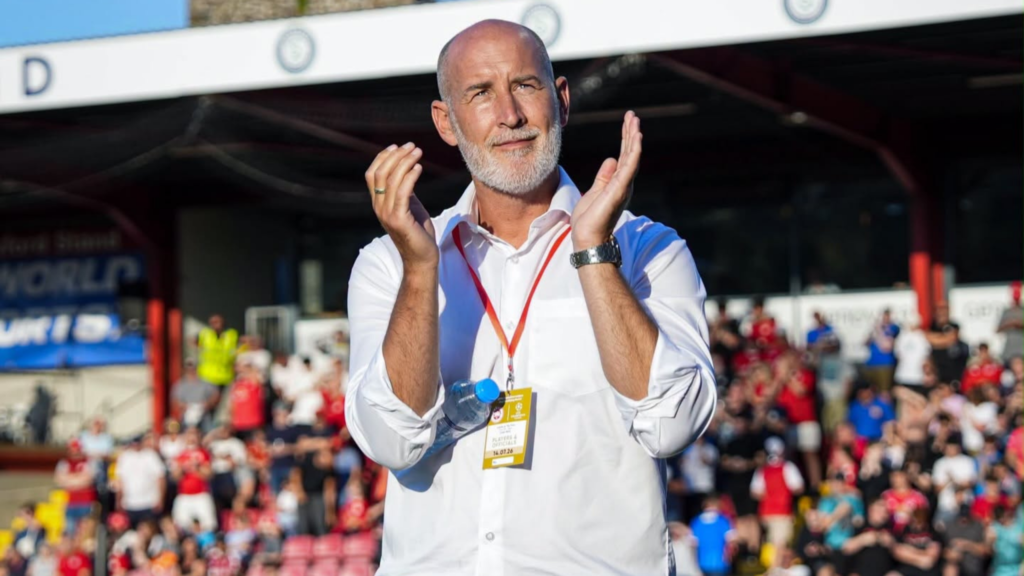
Reigning champions Larne begin the new Boyle Sports Premiership season with one objective: retaining the Gibson Cup.
Three league titles in the last four seasons underline the remarkable success story that has been built at Inver Park. While much of the pre-season conversation has centred around Coleraine’s summer recruitment, Larne will have little interest in who carries the favourites tag. They have consistently shown over recent years that they know exactly what it takes to win championships.
At the time of writing, Gary Haveron’s side remain fully focused on Europe, with a hugely significant UEFA Europa League Third Qualifying Round tie against Georgian champions FC Iberia 1999 Tbilisi on the horizon. It is a fixture that could define not only Larne’s season, but also Northern Ireland’s UEFA coefficient hopes.
Once domestic attention resumes, however, Larne will once again be the team everyone wants to beat.
Champions strengthen once again
Despite already possessing one of the strongest squads in the league, Larne have once again recruited intelligently.
Josh Ukek arrives following an impressive spell at Portadown, while Sam McClelland joins from St Johnstone to strengthen the defence. Montel Gibson adds another attacking option after arriving from Hednesford Town, and experienced striker Kevin O’Hara completes the club’s summer business following his move from Hamilton.
The departures, however, should not be overlooked.
Andy Ryan leaves having scored 17 goals in all competitions despite only featuring for the second half of the season. Replacing those goals will not be straightforward, while experienced defenders Cian Bolger and Ryan Nolan have also moved on after playing important roles in Larne’s recent success.
Even so, the core of the title-winning squad remains intact.
That continuity is one of Larne’s greatest strengths and gives them an advantage over many of their rivals heading into the new campaign.
Three players to watch
If Larne’s title success was built on one foundation, it was their defensive resilience, and no player embodied that more than Rohan Ferguson.
The goalkeeper was deservedly named the 2025/26 Ulster Footballer of the Year after another exceptional campaign. His consistency, leadership and ability to produce crucial saves at key moments make him arguably the most influential player in the squad. With Larne conceding just 26 league goals last season, Ferguson’s importance cannot be overstated.
Captain Tomas Cosgrove continues to set the standard on the right-hand side.
A dependable defender first and foremost, Cosgrove also offers a significant attacking threat, contributing 10 assists during last season’s title-winning campaign. His leadership and relentless consistency have made him one of the first names on Gary Haveron’s teamsheet.
Another player whose value often goes unnoticed is Dan Bent.
The Gibraltar international has become one of the league’s most versatile footballers, comfortably operating in defence, midfield or attack whenever required. That adaptability gives Larne invaluable tactical flexibility over the course of a long season, and Bent’s willingness to fill any role perfectly reflects the selfless mentality that has driven the club’s recent success.
Biggest strength
Defensive organisation.
There is an old saying that “attack wins you games, defence wins you titles,” and Larne were the perfect example of that last season. Conceding just 26 league goals, they built their championship success on discipline, organisation and consistency rather than simply trying to outscore opponents.
With much of that defensive unit still together, there is every reason to believe Larne will once again be one of the most difficult teams to break down.
Biggest question
Can Larne cope with the demands of another long campaign?
Whether they qualify for the league phase of a European competition or not, the Inver Reds will already have played at least 6 European matches before the start of the league season.
While that match experience will be invaluable, it also places huge physical and mental demands on a squad. Balancing domestic ambitions with continental football has become one of the biggest challenges facing Irish League clubs, and Larne are no exception.
Fortunately for Gary Haveron, he has inherited a squad packed with winners who understand exactly what is required over the course of a demanding season.
What would success look like?
For most clubs, challenging for the title would represent an outstanding campaign.
For Larne, defending it has to be the objective.
With a squad full of experienced winners, another deep run in Europe, domestic silverware and a sustained title challenge will all be realistic ambitions. The standards at Inver Park have been raised dramatically over recent years, and nobody associated with the club will be satisfied with standing still.
Larne may not enter the season as everyone’s favourites, but champions rarely need that label. They have built a culture of winning, possess one of the strongest defensive units in the country and know better than anyone how to handle the pressure of a title race. That alone makes them one of the biggest threats to every club in the Premiership once again.
LIMAVADY UNITED
Limavady United are back where they believe they belong.
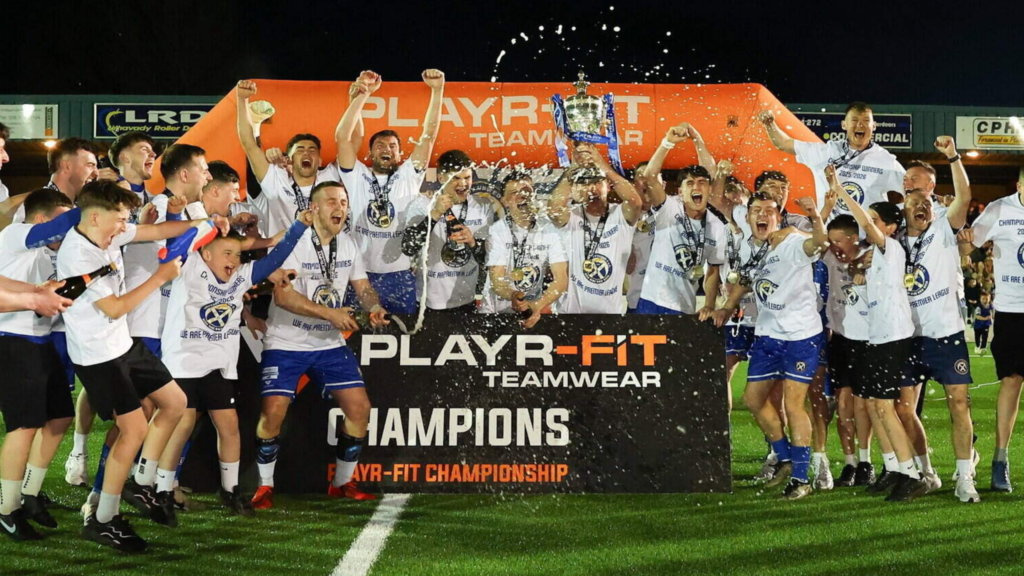
Champions of the Playr-Fit Championship last season, Paul Owens’ side secured promotion after a superb campaign built on consistency, resilience and momentum. Remarkably, Limavady lost just twice after the turn of the year, producing the kind of form that deservedly earned a return to the Premiership.
This season also marks an emotional homecoming.
After spending last year playing their home fixtures at Coleraine, the Roesiders return to the Limavady Showgrounds for their first Premiership campaign in 18 years.
Supporters have waited a long time for this moment, and the challenge now is ensuring their stay in the top flight lasts longer than just one season.
Building on promotion
One of Limavady’s greatest achievements this summer has been keeping faith with the squad that won promotion.
Rather than completely overhauling the team, Paul Owens has retained the core group responsible for last season’s success while adding valuable quality and experience. Sean Carlin joins from Glenavon, alongside Aaron Jarvis and Stephen O’Donnell from Ballymena United. Leon Boyd strengthens the squad after arriving from Dungannon Swifts, while Ronan Wilson joins from H&W Welders. Daniel Lafferty brings further top-flight experience, Oisin Duffy arrives from Strabane Athletic and highly-rated youngster Alfie Gaston has been secured on loan from Coleraine.
It is a recruitment strategy that balances proven Premiership experience with exciting young talent, giving Limavady every opportunity to compete.
The most notable departure is experienced midfielder Ian Parkhill, whose leadership may be missed throughout the campaign. However, with so many members of the promotion-winning squad remaining together, there is a strong sense of continuity around the club.
That familiarity could prove invaluable as they adapt to the demands of Premiership football.
Three players to watch
If Limavady are to survive, John Butcher will almost certainly have a major say.
The striker enjoyed a phenomenal Championship campaign, scoring 20 goals and providing 11 assists. His all-round contribution made him one of the division’s standout performers, and the biggest question now is whether he can reproduce that level against Premiership opposition. If he can, Limavady will have every chance of causing plenty of problems.
Experience is another area where Limavady are well equipped, thanks largely to the Lowry brothers.
Captain Stephen Lowry, now 39, continues to perform at an incredibly high level, bringing calmness, leadership and quality whenever he steps onto the pitch. Alongside him, Philip Lowry remains one of the most technically gifted midfielders in the league, with his vision and passing ability capable of controlling matches. Together, their experience could prove priceless over the course of a difficult season.
One of the most eye-catching additions this summer is Sean Carlin.
Although he suffered relegation with Glenavon last season, the midfielder remains an exciting talent with excellent creativity and technical ability. Given the freedom to express himself, Carlin could become one of Limavady’s most influential players.
Biggest strength
Togetherness.
Promotion-winning squads often possess a belief that cannot be bought, and Limavady have wisely resisted the temptation to dismantle the group that earned promotion. Keeping the core of last season’s squad together should help maintain the chemistry and spirit that carried them to the Championship title.
Combined with several experienced additions, it creates a balanced squad capable of competing at Premiership level.
Biggest question
Can Limavady make the step up?
There is always a significant jump between the Championship and the Premiership, and every newly promoted side faces the same challenge. While Limavady were outstanding last season, consistency against full-time and established top-flight opposition is a completely different test.
The encouraging sign is that they have recruited sensibly rather than dramatically, adding players who understand the league without losing the identity that brought them success.
What would success look like?
Survival.
There is no need for Limavady to overcomplicate their ambitions. Remaining in the Premiership would represent another outstanding achievement and provide the platform to continue building for the future.
The club has returned to its own ground, retained the heart of its promotion-winning squad and strengthened intelligently over the summer. They may start the season as one of the favourites for relegation, but there is every reason to believe they can prove people wrong. With a healthy blend of experience, youthful energy and confidence from last season’s success, Limavady United have every chance of establishing themselves as a Premiership club once again.
LINFIELD
By the standards of almost every club in the Boyle Sports Premiership, last season would have been viewed as a success.
By Linfield’s standards, it fell well short.
The Blues finished fourth in the league, lifting the BetMcLean Cup to ensure there was silverware at Windsor Park, but they never truly mounted a sustained title challenge. For a club that measures itself by league championships, that alone ensured the campaign would be remembered as a disappointing one.
The frustration has continued into the new season. Linfield’s elimination from the UEFA Conference League at the hands of Estonian side Nõmme Kalju came as a major setback, ending another European campaign far earlier than supporters had hoped.
Questions are beginning to emerge around the club. There have been whispers surrounding finances and suggestions that full-time football could eventually come under threat if success does not return. Whether those concerns prove justified remains to be seen, but what is certain is that expectations at Windsor Park have not changed.
Linfield are expected to compete for titles.
A summer of transition
Compared to several of their rivals, Linfield’s transfer business has been relatively understated.
Ryan Nolan arrives from Larne to strengthen the defence, while goalkeeper Aidan Glavin joins from Raith Rovers. Young midfielder Dylan Wells has been recruited from Motherwell, and Kobei Moore makes the switch from Larne to provide another attacking option.
They are sensible additions, but perhaps not the statement signings many supporters were expecting.
The departures have arguably been more significant. David Walsh, Chris McKee, Scot Whiteside, Charlie Allen and Josh Archer have all moved to Ballymena United as Oran Kearney continues his rebuild, while defender Euan East has also left the club, creating another vacancy in the back line.
There is, however, reason for optimism without spending heavily.
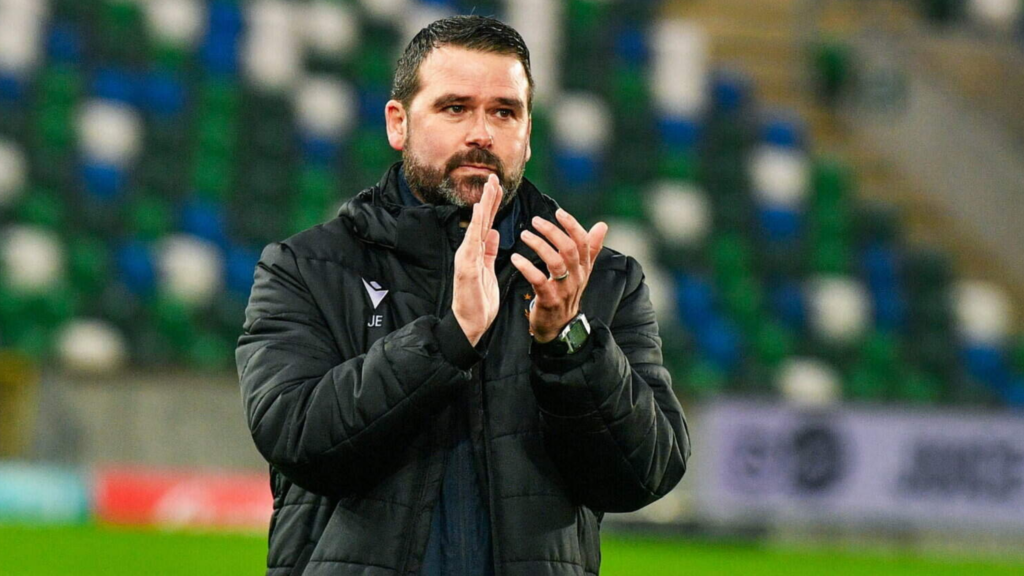
The returns of Chris Shields and Kieran Offord from injury could feel like new signings in themselves. Both have the quality and experience to significantly strengthen David Healy’s squad if they remain fit throughout the season.
Three players to watch
Defensively, Ethan McGee continues to be one of Linfield’s most reliable performers.
Comfortable in possession and dependable without the ball, McGee has become a key figure in David Healy’s back line. His consistency will once again be vital if Linfield are to improve on last season’s league finish.
In midfield, Chris Shields remains one of the Premiership’s outstanding leaders.
At 35 years of age, the former Larne captain still brings calmness, intelligence and composure whenever he takes to the pitch. His return from injury could have a transformative effect on Linfield’s midfield, providing the experience needed during the biggest moments of the campaign.
Leading the attack is Matthew Fitzpatrick, who once again delivered outstanding numbers last season.
The striker scored 24 goals and contributed 15 assists, underlining his importance to the Blues. While the return of Kieran Offord should ease some of the attacking burden, Fitzpatrick will once again be expected to lead the line, score goals and set the standard with his relentless work ethic.
Biggest strength
Winning mentality.
Few clubs possess the experience, expectations and culture of success that exists at Windsor Park. While last season was below their usual standards, the core of the squad still contains proven winners who understand what is required to challenge for trophies.
That mentality should never be underestimated.
Biggest question
Can Linfield genuinely challenge for the league title?
That is the question hanging over Windsor Park.
David Healy has repeatedly shown he knows how to build title-winning teams, but the landscape of the Premiership has changed dramatically. Larne remain champions, Coleraine have invested heavily and Glentoran continue to strengthen. Linfield may no longer boast the financial advantage they once enjoyed, but supporters will still expect them to compete with the division’s biggest spenders.
Whether that expectation is realistic or not is almost irrelevant.
At Linfield, second best is rarely accepted.
What would success look like?
Winning the Premiership has to remain the ultimate objective.
While another domestic trophy would be welcomed and European qualification remains essential, Linfield will judge this season primarily on whether they can return to the summit of Northern Irish football. Anything less will invite further questions about the direction of the club.
There may be uncertainty surrounding Windsor Park at present, but one thing has not changed: Linfield remain one of the biggest clubs in the country, with a squad capable of competing at the highest level. If key players stay fit and David Healy can rediscover the consistency that has defined so much of his managerial career, writing the Blues off would be a dangerous mistake.
PORTADOWN
In general, Portadown’s 2025/26 season was decent.
An eighth-place finish represented a solid campaign for the Shamrock Park club. While they never seriously threatened to break into the top six, they were equally never dragged into a genuine relegation battle, giving them a stable platform to build upon heading into the new season.
Now the challenge is taking the next step.
Carrick Rangers showed last season that it is possible for clubs outside the traditional top six to threaten the upper half of the table, and Portadown will believe they are capable of doing something similar. Whether they can achieve that may largely depend on how quickly a new-look squad settles under one of the most recognisable figures in Irish League football.
A new era begins
The biggest change at Shamrock Park has come in the dugout.
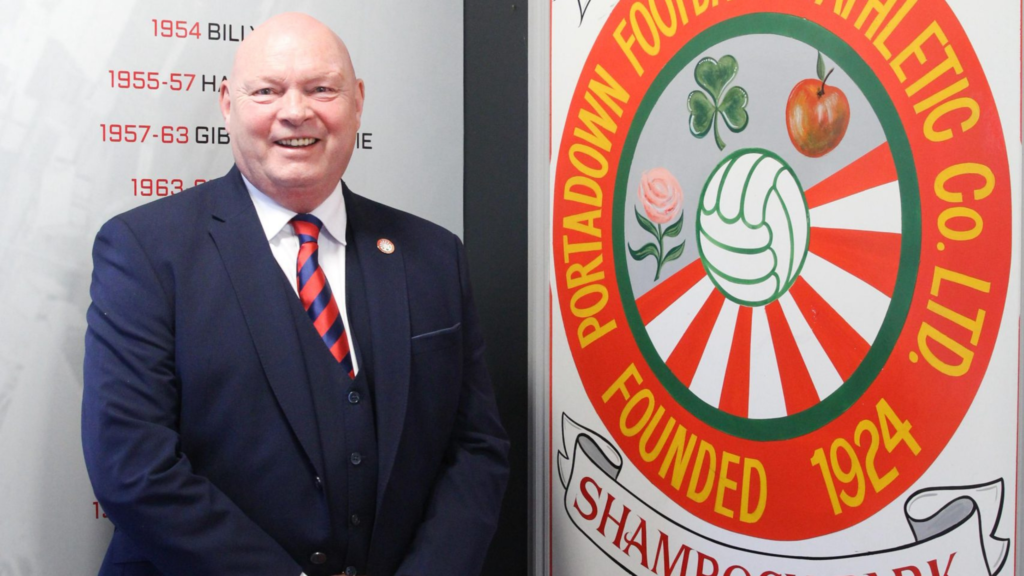
Following Niall Currie’s departure, the experienced David Jeffrey returns to management, bringing with him one of the finest managerial records in Irish League history. His appointment immediately raises expectations and provides Portadown with a proven winner capable of guiding the club forward.
Jeffrey has overseen a busy summer of recruitment.
Rhys Breen arrives from East Kilbride, while Mikey Hewitt joins from Queen of the South. Matty Carson makes the move from Torquay United, Sean O’Mahoney arrives from St Francis, Conor Falls joins from Cliftonville, Dominic Dos Santos Martins signs from Blyth Town and Liam Jessop completes the club’s incoming business following his arrival from Chesterfield.
Many of those names will be unfamiliar to Irish League supporters, but Portadown have developed a strong reputation for identifying talent from outside Northern Ireland. It would be no surprise if several of those recruits quickly established themselves as key players.
There have, however, been some notable departures.
Josh Ukek has earned a move to reigning champions Larne after impressing last season, while experienced trio Josh Carson, Steven McCullough and Shay McCartan have all moved on. Young forward Ben Quinn has also joined Cliftonville.
Replacing that level of Irish League experience with largely unproven arrivals carries an element of risk, but it is one Portadown appear willing to embrace.
Three players to watch
Leading the attack once again will be Eamon Fyfe.
The forward enjoyed an outstanding campaign last season, scoring 13 goals and providing nine assists. His ability to both finish chances and create opportunities for teammates makes him the focal point of Portadown’s attack, and another productive year from Fyfe could be the difference between mid-table security and a genuine push for the top six.
At the heart of the defence, Baris Altintop continues to be one of the club’s most dependable performers.
Named the Portadown Directors’ Player of the Year last season, the commanding centre-back provides physicality, leadership and consistency. His performances will once again be crucial if the Ports are to improve defensively.
Out wide, James Teelan offers something different.
Blessed with pace, directness and creativity, he has the ability to unlock defences and turn matches with a single moment of quality. His flair makes him one of Portadown’s biggest attacking threats and someone opposition defenders will need to keep a close eye on.
Biggest strength
Recruitment.
While many of Portadown’s new signings may not be household names, the club has earned a reputation for identifying players capable of thriving in the Irish League. Their scouting network has consistently uncovered hidden gems in recent years, and they will hope this latest group follows the same path.
Combined with David Jeffrey’s experience, there is every reason to believe several of the newcomers can make an immediate impact.
What would success look like?
Building on last season’s progress.
Portadown established themselves comfortably in the Premiership last season, and the next objective will be to continue moving forward. A finish around seventh or eighth would represent another positive campaign, while ensuring they remain well clear of any relegation concerns should be a realistic target.
The domestic cups also offer an opportunity to make the season memorable. With David Jeffrey back in the dugout and his outstanding record in knockout football, Portadown will believe they are capable of putting together a deep cup run if results begin to go their way.
There is a sense of optimism around Shamrock Park. David Jeffrey’s appointment has injected fresh belief, while the club has recruited boldly from outside the Irish League alongside adding players with domestic experience. It may take time for the new faces to settle, but if they adapt quickly, Portadown should be well placed to consolidate their position in the Premiership once again and continue closing the gap on the teams above them.